7.7.14

notas sobre sem-quartelização

Sobre a memória e a guerra sem quartel
Diz Manuel Azaña (presidente da República até fev 1939):
"O resultado final da luta classificará em última instância a nossa conduta. Se perdermos, uma propaganda continuada fará crer aos nossos sucessores que a nossa conduta foi criminosa, insensata, estúpida, que nós fomos os responsáveis pela rebelião, talvez mesmo que fomos nós a começar e que somos a escória da Espanha e da humanidade. Se vencermos, todo o passado será um pedestal de glória, de esplendor e de heroísmo."
Diz o Bispo de Teruel quando prisioneiro dos republicanos: 
"O emprego da violência -foi a resposta- é sempre deplorável mas, às vezes, à falta de outros meios convenientes para pôr as coisas em ordem e para evitar a iminente ruína, é necessário utilizá-la. Por isso quem se refere ao emprego de forças anticatólicas e infiéis a coisa explica-se bastante facilmente sem por isso cair na heresia. Aquele que vê a sua vida em perigo ou que teme pela sua existência, aferra a mão amiga que se lhe estende sem se preocupar em saber se quem o ajuda professa esta ou aquela religião, se milita neste ou naquele partido." 
Diz Durruti:
"Os fascistas sabem bem o que os espera se perderem"
(não há tréguas muahahahah!!!)

os novos cristãos (não, não são os judeus convertidos... )

11/18/13 at 2:41 AM

"Surpreendeu-me que as pessoas daquela parte da Espanha não tivessem, genuinamente, qualquer sentimento religioso - quero dizer, sentimento religioso no sentido ortodoxo. É curioso que durante todo o tempo em que estive em Espanha nunca vi ninguém benzer-se, embora me pareça que semelhante gesto seria instintivo, com revolução ou sem ela. É evidente que a Igreja espanhola voltará (a noite e os jesuítas voltam sempre, como diz o ditado), mas não restam dúvidas de que, com o eclodir da revolução, ela ruiu e foi esmagada em tal extensão que ninguém imaginaria possível - nem mesmo para a moribunda Igreja de Inglaterra, em circunstâncias semelhantes. Para o povo espanhol, pelo menos na Catalunha e em Aragão, a Igreja era uma negociata pura e simples. E é possível que a fé cristã tenha sido substituída, até certo ponto, pelo anarquismo, cuja influência está muito difundida e que possui, indubitavelmente, um matiz religioso. "


Religião torna-se aqui palavra-chave irresistível. Apesar da relação parecer antagónica (trata-se de um modelo de ferderalismo materialista e cartesiano Versus superstição) não deixa de haver um sentimento comum de devir, o amanhã glorioso, uma noção de irmandade, a fé na bondade natural e na capacidade cooperativa da humanidade, etc..    
As necessidades ditam as escolhas. É previsível o desenlace de alfabetizar populações com literatura anarquista.
Portanto há uma substituição ao governo na oferta e na criação de serviços públicos básicos e na cultivação num contexto político específico. 

Por exemplo excertos do "The ABC of Communist Anarchism" (Alexander Berkman, 1929): 
"É quase impossível imaginar as maravilhosas oportunidades que se abriram ao Homem numa sociedade de anarquismo comunista.
O cientista poderia dedicar-se por completo às suas ocupações favoritas. O inventor encontraria à sua disposição todas as facilidades para beneficiar a humanidade mediante as suas descobertas e invenções. O escritor, o poeta, o artista, todos se elevariam nas asas da liberdade e da harmonia social às alturas mais elevadas dos seus logros". 

Belchite enquanto falência da guerra como imagem literária, romântica..


11/18/13 at 2:41 AM

Sobre a ideia de guerra romântica (e fluxo geral em direcção a espanha) diz Christopher Hitchens:
 
"The suport of many european intelectuals and poets for the greek war of independence, the greek revolution against the Ottoman empire in the 1820´s, where the most famous figure is of course George Gordon, also known as Lord Byron, english poet who died for the freedom of Greece. That is what gives birth to the romantic movement witch is a big influence troughout the next century."
 
Diz também Hitchens sobre o golpe em espanha e a resposta do movimento operário internacional:
 
"In Spain it is true that a number of writers and intelectuals and poets were associated to the fight, but the ranks of the International Brigades were largely made of jewish workers from the Eastend in London, welsh and scotish coalminers, engeniers from the netherlands... And here´s what I think is the crutial thing: The german labour movement, the biggest and best organized labour movement in europe go hunder Hitler without a shot being fired. They´ve seen the same thing happening in Austria in 1934, seen the workers in the streets of Viena reduced to rumble by artillery with bear resistance. Seen one after the other, the great achievments of the european labour movement just fall to fascism and decided that not in Spain, in Spain we´re gonna draw the line. The working class is gonna fight back now. They shall not pass was the slogan."
 
Ainda os heróis românticos
 
e a Banda Desenhada:
 
(se por algum motivo estranho não conheceres o Corto, diz-me)
In July 1936 the Spanish civil war begins and it will last until May 1939. Corto joins the International Brigades fighting with John Cornford (son of the English poet Frances Cornford Croft, grandson of Darwin). Then we lose track of Corto. In January 1941, in the story “The Scorpions of the Desert” Cush, says, “It seems Corto Maltese disappeared during the Spanish Civil War.” We also learn that Corto sent a hawk, Al –Andaluz, to Cush from Spain.
Did he disappear in 1936 after the “last romantic adventure,” the Spanish Civil War? It could be, but apparently there is a letter written by Pandora in which she says that Corto and Tarao, now of a certain age, went to live with her and her children (who consider them as “uncles”).
 
Esta história é deliciosa, parágrafo na página da wikipédia sobre a Simone Weil: 
 
"Em julho de 1936, com a eclosão da Guerra Civil Espanhola, Simone juntou-se à causa republicana. Mesmo sendo míope e frágil, recebeu um rifle e foi incorporada a uma unidade de anarquistas. Sem nenhum preparo para a vida militar, ela quase que imediatamente enfiou o pé numa panela de óleo fervente e teve de ser resgatada por seus pais, que a mandaram para Assis, na Itália, para recuperar-se. Desanimada com as atrocidades que havia visto seu próprio lado cometer, Simone reafirmou seu pacifismo."

Belchite (1)


11/4/13 at 12:39 AM

Bom, ok, Belchite.

Não senti ou percebi reconciliação nenhuma no pouco ou nenhum contacto que tive com as pessoas em Belchite.. Aquela zona fica (para quem vem de zaragoza) depois de um pequeno deserto, no meio do nada e a talvez 10km da vila onde o Goya nasceu (Fuentetodos). É mesmo bonito, e de facto, isso é uma das coisas que eu adoro em Espanha, tem uma paisagem inesperada, conspirativa quase, troca-te as voltas. E porque caraças, é que Belchite toda ela muito mourisca, localizada muito depois de um caminho de cabras pelo meio de calhaus e terra, se torna importante na guerra civil espanhola..?!
Há mesmo qualquer coisa de romântico quando fazes este caminho para ir ver uma ruína.

Depois Belchite, ou melhor, nova Belchite é uma vila (reconstruida ao lado da ruína), pirosa todos os dias, bucólica como nos é familiar, quente (ferve) e há outras coisas sobre as quais se pode construir uma imagem entre o familiar e o estranho: o cão sarnento que se atravessa em diagonal no teu caminho, as moscas moles, a sensação de que os relógios estão a procrastinar, ou imaginares por dois segundos que "ali" deve haver escorpiões. As pessoas parecem suspeitas, ou então, em zonas pesadas e de algum modo silenciosas, tudo parece suspeito!
Na nossa visita guiada (só depois percebemos que era possível invadir as ruinas) havia várias pessoas, essencialmente espanhóis. A nossa guia (sessentona, natural da velha Belchite), cujo pai lutou pelo Frango, explicou-nos um pouco de tudo, havia está claro um discurso tendencioso que irritava o gordinho do grupo que lhe respondia torto. E havia também o outro guia, algures à esquerda, que pelos vistos tinha uma versão mais rigorosa e complexa da história local. Pareceu-me que era bastante dividido. Acho que ali nunca houve reconciliação, o que deve haver é uma relação agastada entre traição e rancor. Aquilo foi completamente massacrado, primeiro pelos republicanos, depois pelos nacionalistas, e de cada lado os devidos expurganços. Mas como é que uma comunidade se recompõe disto?
Na minha ficção pessoal sobre Belchite, o pessoal tem caçadeiras debaixo das mesas de jantar, e se houver a mínima oportunidade, tomam os seus lugares (trincheiras, casas, buracos) e vai de ajustar contas antigas.
É fácil de perceber porquê. Aqui dá-se também o caso comum da pequena escala que replica a grande escala: uma pequena guerra, à escala local, na grande guerra. Belchite era, como seria de esperar uma vila rural, extremamente católica, conservadora e tendencialmente pró Frango. Assim por alto (não aprofundei isto), Belchite fazia parte de um plano ofensivo por parte da republica em direcção a Zaragoza, e mais importante do que avançar nessa direcção, penso que toda a ofensiva era uma medida de diversão para atrair os nacionalistas que se dirigiam para norte, a fim de tomar o país basco, que de resto tomaram na mesma. Foi um derramamento de sangue, como tantos outros, completamente inútil. E Belchite resistiu ferozmente à ocupação republicana. Uma das coisas mais incríveis quando aprofundas estas questões, especialmente com os espanhóis, são as técnicas caseiras e absolutamente rebuscadas de resistencia/rebelião - numa palavra guerrilla (que de resto lixou e bem as tropas napoleónicas durante a guerra peninsular). Os gajos barricaram-se em casa e abriram túneis entre as casas e adegas, armados na medida do possível (porque estavam sozinhos) iam fazendo alguma resistencia (os nacionalistas estavam concentrados em Zaragoza)...Eventualmente os republicanos abriram caminho e a vila cedeu, com um número completamente abusivo de baixas para os próprios republicanos.  Tomam-se as devidas diligencias (fuzilamentos), e enfim Zaragoza nunca é conquistada. Quando Belchite volta ao poder nacionalista (não faço ideia quando, provavelmente mais para o fim da guerra), e depois dos devidos fuzilamentos, o resto dos republicanos são "acomodados" nuns barracões algures perto e obrigados a trabalhar na reconstrução da nova Belchite.  A este espaço, hoje em dia meio abandonado, chamaram carinhosamente de pequeña rusia...


George Orwell BBC Arena Part 3 Homage to Catalonia


6.7.14

notas sobre controlo dos meios de produção, monopólio de uma ideia de estado social, espírito autónomia e regionalismos

10/31/13 at 1:23 AM

O facto da república ter sido posta em causa foi o que provocou um rebentamento de coisas extraordinárias e completamente contraditórias que acho fascinantes. O Nordeste e a Catalunha em geral, onde estava a ser construído há vários anos um controle absoluto pelos sindicatos (upa upa indústrial também), com direito a milícias compostas por aventureiros e assaltantes de bancos que aterrorizavam as patronais e asseguravam minimante a protecção dos trabalhadores, "rejubilou" com o golpe da extrema-direita..  Enquanto a república ficou um pouco apanhada de surpresa, em Barcelona os sindicatos armaram da cabeça aos pés a população civil e construíram o fôlego estrutural que fez com que o Franco não fizesse um "smooth-sail" por ali acima (como aconteceu na tuga no golpe de 28 de maio - claro que o território espanhol é mais ardiloso- mas talvez fosse uma questão de dias) já que o Franco tinha exército e polícia e, como se viu, o internacionalismo "democrático" se estava pouco cagando para aquilo. Ou seja o golpe do Franco abriu o jogo e as organizações revolucionárias perceberam que podia ser o seu momento. Gosto de pensar que foi também isso que fez um milhão de mortos (acesso de arrogância mortal), uma teimosia infantil de anarquismo, muito mais interessados com a sua autonomia do que com ganhar uma "guerra civil". Não querer nem espanha nem república mas sim ter a vida ideal aqui e agora e começar a fazê-lo já. Claro que isto bate na cabeça das pessoas, os anarquistas catalães já deviam estar com delírios napoleónicos ao ver a vaga de poder que conseguiam produzir...  do caos brotar a oportunidade de fundar um novo tipo de organização social que não fosse um país sequer. 


11/18/13 at 2:41 AM

No programa da BBC4 diz Mary Vincent sobre o tecido social espanhol:

"Há uma dependência e uma identificação com a Igreja e com a ordem antecedente que sempre a defendeu. A incapacidade do estado em matérias de segurança social e educação é tão acentuada que a Igreja acaba por cumprir esse papel. E mesmo quando a segunda República avança com um ambicioso plano de reformas sociais e educativas e faz um esforço para substituir a Igreja neste aspecto nunca chega a ter o dinheiro para executá-las."

(acerca da incapacidade dos governos da república de assegurarem a responsabilidade pelo ensino e a onda cavalgada pelos sindicatos)


notas sobre cinema (tecnologia)

10/31/13 at 1:23 AM 

De qualquer forma em relação à tua questão dos mapeamentos de conflitos, acho que uma coisa que a guerra civil tem é que foi a mais "mediática" (primeiro grande conflicto moderno coberto por tecnologia audiovisual) das guerras subterrâneas.. ou seja os conflitos surdos: autodeterminação x centralismo. 


questões relacionadas com o cinema, propaganda, impacto da tecnologia:

http://pt.wikipedia.org/wiki/John_Grierson

- ver eisenstein e amigos


cinema espanhol:
https://mubi.com/lists/50-spanish-films


30.6.14

«A Ibéria é a Grécia do feio, a bruxa esquálida fendendo os ares»
Teixeira de Pascoaes

29.6.14

En la Brecha

mais uma curta metragem... tem bué imagens de fábricas...

1.6.14


SCW timeline

10/25/13 at 3:49 PM

Algures entre -  reorganizações sociais, disfunções entre produção e distribuição, novos imperialismos ligados à tecnologia, enriquecimentos à bruta, uma certa decadência da aristocracia que perde terreno para uma burguesia poderosa e com ideias, deslocamento simbólico da monarquia - está o terreno fértil para diversas construções ideológicas e relacionado com elas ou não, está também o terreno fértil para a guerra. 
 
 
(1940)
 
inside the whale
 
 
(wiki)
 
Part 1
Orwell notes that a novel written about American dead-beats cadging drinks in the Latin Quarter of Paris seems an unlikely candidate to be a novel of outstanding value at the time, as its mental atmosphere belongs to the 1920s rather than the 1930s. Orwell is not concerned with the proliferation of 'unprintable words', but is more interested in the way Miller writes about the man in the street. He sees its value not by revealing what is strange, but what is familiar, and in this respect it has much in common with James Joyce in Ulysses. He describes the prose as astonishing.
Orwell rejects another popular comparison with Céline's Journey to the End of the Night which is a book-with-a-purpose, but introduces a comparison with Walt Whitman whose literature is one of "acceptance" of life as it is rather than a struggle to change it. It is because he is passive to experience that Miller is able to get nearer to the 'ordinary man'. This is out of key with the times when writers had an active involvement in politics and is reflected in the difference between the literature of the Spanish Civil War written by "cocksure partisans telling you what to think" and that of the Great War literature written by "victims".
Part 2
Orwell sets Tropic of Cancer against its literary context with a perusal of literary trends since the First World War. First there is A. E. Housman with nostalgic descriptions of the countryside and adolescent despair, which Orwell revered as a teenager in Shropshire Lad. After Housman and the nature poets there was a new movement of the 1920s of unrelated writers with a similar outlook such as Joyce, Eliot, Pound, Lawrence, Wyndham Lewis, Aldous Huxley and Lytton Strachey. These were noted by their pessimistic outlook and lack of interest in politics in the narrower sense. In the 1930s writing took on a serious purpose with the W. H. Auden and Stephen Spender group including people like Cecil Day Lewis and Christopher Isherwood. Orwell saw a Boy scout leader type of prosetylising from this group which consisted people from an almost identical public-school-university-Bloomsbury background.
Orwell notes the left-leaning tendency of this group and its fascination with communism. Describing the communist as a Russian publicity agent, Orwell seeks an explanation for this. In addition to the common ground of anti-fascism he sees that after the debunking of Western civilisation and the disappearance of traditional middle class values and aspirations, people need something to believe in and Communism has replaced Catholicism as the escapist ideal. Orwell identifies another factor which is the softness and security of life in England against which the secret police and summary executions are too remote. He cites Cyril Connolly in Enemies of Promise for whom the key eventful period in his life was his public school education – "five years in a lukewarm bath of snobbery". As an adjunct Orwell notes that what really frightened him about the Spanish Civil War was how these people adopted the mental attitudes of great war in support of their cause.
Part 3
For Orwell, Miller is a writer who gets away from being a political animal. His passivity is illustrated by his declaration that Orwell's plan to go to Spain was "the act of an idiot". Miller used the analogy of Jonah and the Whale to apply to Anaïs Nin, and this is taken up by Orwell as describing the final unsurpassable stage of irresponsibility. Referring again to the great war Orwell notes the surviving readable works are those written from a passive negative angle and he highlights Prufrock by T. S. Eliot. Miller's is a human voice among bomb explosions. Orwell predicts the break-up of laissez faire capitalism and of the liberal-Christian culture and suggests that any novel worth reading will have to follow the lines of Miller's work.

------------------

On Auden – reflecting Orwell's experience as a policeman in Burma
But notice the phrase 'necessary murder'. It could only be written by a person to whom murder is at most a word. Personally I would not speak so lightly of murder. It so happens that I have seen the bodies of numbers of murdered men – I don't mean killed in battle, I mean murdered. Therefore I have some conception of what murder means – the terror, the hatred, the howling relatives, the post-mortems, the blood, the smells. To me murder is something to be avoided.
Miller is a writer out of the ordinary, worth more than a single glance; and after all he is a completely negative, unconstructive amoral writer, a mere Jonah, a passive accepter of evil, a sort of Whitman among the corpses.


(1937)

Yesterday all the past. The language of size
Spreading to China along the trade-routes; the diffusion
Of the counting-frame and the cromlech;
Yesterday the shadow-reckoning in the sunny climates.

Yesterday the assessment of insurance by cards,
The divination of water; yesterday the invention
Of cartwheels and clocks, the taming of
Horses. Yesterday the bustling world of the navigators.

Yesterday the abolition of fairies and giants,
the fortress like a motionless eagle eyeing the valley,
the chapel built in the forest;
Yesterday the carving of angels and alarming gargoyles;

The trial of heretics among the columns of stone;
Yesterday the theological feuds in the taverns
And the miraculous cure at the fountain;
Yesterday the Sabbath of witches; but to-day the struggle

Yesterday the installation of dynamos and turbines,
The construction of railways in the colonial desert;
Yesterday the classic lecture
On the origin of Mankind. But to-day the struggle.

Yesterday the belief in the absolute value of Greek,
The fall of the curtain upon the death of a hero;
Yesterday the prayer to the sunset
And the adoration of madmen. but to-day the struggle.

As the poet whispers, startled among the pines,
Or where the loose waterfall sings compact, or upright
On the crag by the leaning tower:
"O my vision. O send me the luck of the sailor."

And the investigator peers through his instruments
At the inhuman provinces, the virile bacillus
Or enormous Jupiter finished:
"But the lives of my friends. I inquire. I inquire."

And the poor in their fireless lodgings, dropping the sheets
Of the evening paper: "Our day is our loss. O show us
History the operator, the
Organiser. Time the refreshing river."

And the nations combine each cry, invoking the life
That shapes the individual belly and orders
The private nocturnal terror:
"Did you not found the city state of the sponge,

"Raise the vast military empires of the shark
And the tiger, establish the robin's plucky canton?
Intervene. O descend as a dove or
A furious papa or a mild engineer, but descend."

And the life, if it answers at all, replied from the heart
And the eyes and the lungs, from the shops and squares of the city
"O no, I am not the mover;
Not to-day; not to you. To you, I'm the

"Yes-man, the bar-companion, the easily-duped;
I am whatever you do. I am your vow to be
Good, your humorous story.
I am your business voice. I am your marriage.

"What's your proposal? To build the just city? I will.
I agree. Or is it the suicide pact, the romantic
Death? Very well, I accept, for
I am your choice, your decision. Yes, I am Spain."

Many have heard it on remote peninsulas,
On sleepy plains, in the aberrant fishermen's islands
Or the corrupt heart of the city.
Have heard and migrated like gulls or the seeds of a flower.

They clung like burrs to the long expresses that lurch
Through the unjust lands, through the night, through the alpine tunnel;
They floated over the oceans;
They walked the passes. All presented their lives.

On that arid square, that fragment nipped off from hot
Africa, soldered so crudely to inventive Europe;
On that tableland scored by rivers,
Our thoughts have bodies; the menacing shapes of our fever

Are precise and alive. For the fears which made us respond
To the medicine ad, and the brochure of winter cruises
Have become invading battalions;
And our faces, the institute-face, the chain-store, the ruin

Are projecting their greed as the firing squad and the bomb.
Madrid is the heart. Our moments of tenderness blossom
As the ambulance and the sandbag;
Our hours of friendship into a people's army.

To-morrow, perhaps the future. The research on fatigue
And the movements of packers; the gradual exploring of all the
Octaves of radiation;
To-morrow the enlarging of consciousness by diet and breathing.

To-morrow the rediscovery of romantic love,
the photographing of ravens; all the fun under
Liberty's masterful shadow;
To-morrow the hour of the pageant-master and the musician,

The beautiful roar of the chorus under the dome;
To-morrow the exchanging of tips on the breeding of terriers,
The eager election of chairmen
By the sudden forest of hands. But to-day the struggle.

To-morrow for the young the poets exploding like bombs,
The walks by the lake, the weeks of perfect communion;
To-morrow the bicycle races
Through the suburbs on summer evenings. But to-day the struggle.

To-day the deliberate increase in the chances of death,
The consious acceptance of guilt in the necessary murder;
To-day the expending of powers
On the flat ephemeral pamphlet and the boring meeting.

To-day the makeshift consolations: the shared cigarette,
The cards in the candlelit barn, and the scraping concert,
The masculine jokes; to-day the
Fumbled and unsatisfactory embrace before hurting.

The stars are dead. The animals will not look.
We are left alone with our day, and the time is short, and
History to the defeated
May say Alas but cannot help nor pardon.

23.5.14

o gosto recorrente de dançar com mortos

1909


Tragic Week (end of July 1909)


The young barbarians (jóvenes bárbaros) who supported the Radical Party leader Alejandro Lerroux went wild and outhers followed, with church burning and forms of desecration such as the famous incident of a worker dancing with a desinterred nun. Such symbolic violence was the reaction of a people traumatized by intense superstition. much of the teaching of the Spanish Catholic Church sounded appropriate to the Dark Ages and this mental repression, together with the political role played by ecclesiastical authorities, made the Church rank with the civil guard as the first target of an uprising. Some half a dozen people were killed during this disturbance, but when the army arrived to restore order there was a massacre.
(Beevor) 


1936


Toledo, 1936


Toledo, 1936


The Spanish war saw many terrible acts, but it was those of a religious significance that tended to prevail in people´s minds: "reds" killing priests and disinterring the mummies in convent vauls; it was even said that Dolores Ibárruri; La Pasionaria, had bitten the jugular of a priest; or Carlist requetés making a republican lie in the form of a cross before hacking off his limbs to the cry of "Viva Cristo Rey!!!".
  If people in other countries were reminded of the Thirty Years´War, or the religious persecutions of the Dark Ages, and shuddered at this "new barbarism", it was not surprising. The slaughter did not follow the same pattern on each side. In nationalist territory the relentless purging of "reds and atheists" was to continue for years, while in the republican territory the worst of the violence was mainly a sudden and quicky spent reaction of suppressed fear, exacerbated by desires of revenge for the past. 
  The attackson the clergy were bound to cause the greatest stir abroad, where there was little understanding of the Church´s powerfull political role. The Catholic Church was the bulwark of the country´s conservative forces, the foundation of what the right defined as Spanish civilization . Not surprisingly, the outside world had a fixed impression of Spain as a deeply religious country. The jest of the Basque philosopher Unamuno, that in Spain even atheists were Catholic, was taken seriously. Centuries of fanaticak superstition enforced by Inquisition had engraved this image on European minds. Even so it was surprising how few foreign newspapers made the connection between the religious repression dating back to the Middle Ages and the violent anti-clericalism that developed in the nineteenth century. The rage wich led to such excesses in some areas was fired by one great conviction: the promise of heaven for the meek was the age-old trick by the rich and powerful to make the poor accept their lot on earth. For the anarchists, at least, the Church represented nothing less than the psychological operations branch of the state. As such it was a target which ranked in importance with the Civil Guard. (...)
  The most sensational item of propaganda in the world press  involved the raping of nuns, yet the detailed nationalistic indictment of republican crimes published in 1946 offers no evidence for such incident, while hinting at only one. 
  There were certainly occasions when wanton cruelty was inflicted on priests bedore they died, particularly in Aragón, Catalonia and Valencia. Some were burned to death in their churches and there are reports of castration and disembowelment, and that some were buried alive after being made to dig their own graves. Many more churches were set alight and vandalized . Copes were used for mock bullfights in the street. A republican who dressed himself in the archbishop of Toledo´s ceremonial garnments as a joke was nearly shot by a drunken miliciano who mistook him for the primate. Communion wine was drunk out of chalices, stain-glass windows were broken and militiamen shaved in the fonts.  (...)
  The killing of the clergy was far from universal and with the exception of the Basque country, where the church was untouched, there was no marked regional pattern. In depressed areas the priests were often as poverty-stricken and ill-educated as their ill- parishioners. Those who had taken as much trouble over burying the poor as the rich were often spared. 

(Beevor)

19.5.14

capitulo XI

DONDE  sE  CUENTAN  LAS  RAZONES  QUE  PASÓ  SANCHO  PANZA  CON  SU   SEÑOR  DON  QUIJOTE,   CON  OTRAS  AVENTURAS  DIGNAS  DE  SER  CONTADAS.

Llego Sancho a su amo, marchito y desmayado; tanto, que no podia arrear a su jumento. Cuando asi lo vio Don quijote, le dijo:
- Ahora acabo de creer, Sancho Bueno, que aquel castillo o venta es encantado sin duda, porque aquellos que tan atrozmente tomaron pasatiempo contigo, ¿que podian ser sino fantasmas y gente del otro mundo? ; y confirmo esto por haber visto que cuando estaba por las bardas del corral mirando los actos de tu triste tragedia, no me fue posible subir por ellas, ni menos pude apearme de Rocinante, porque me debian ter encantado.
-Tengo para mi que aquellos que se holgaron conmigo no eran fantasmas ni hombres encantados como vuestra merced dice, sino hombres de carne y hueso como nosotros, y todos, segun los oi nombrar cuando me volteaban, tenian sus nombres; asi que, señor, el no poder saltar las bardas del corral ni apearse del caballo en ál estuvo que en encantamentos; y lo que yo saco en limpio de todo esto es que estas aventuras que andamos buscando al cabo nos han de traer a tantas desventuras, que no sepamos cuál es nuestro pie derecho; y lo que seria mejor y más acertado, según mi poco entendimiento, fuera el volver-nos a nuestro lugar ahora que es tiempo de la siega, y de entender en la hacienda, dejándonos de andar en ceca en meca y de zoca en colodra, como dicen.
 -¡Qué poco sabes, Sancho - respondió D. Quijote -, de achaque de cabballería! Calla y ten paciencia, que día vendrá donde veas por vista de ojos cuán honrosa cosa es andar en este ejercício.
 -Asi debe de  ser - respondió Sancho -, puesto que yo no lo sé; sólo sé que después que somos caballeros andantes, o vuestra merced lo es (que yo no hay para que me cuente en tan honroso número), jámas hemos vencido batalla alguna, si no fué la del vizcaíno, ya aún de aquella salió vuestra merced con media oreja y media celada menos; que después acá todo ha sido palos y más palos, puñadas ya más puñadas, llevando yo de ventaja el manteamiento.
 (...)


18.5.14

Estudos Hegelianos #1

Houve aqui à anos um profundo e cavo filósofo de além-Reno, que escreveu uma obra sobre a marcha da civilização, do intelecto - o que diríamos, para nos entenderem todos melhor, o Progresso. Descobriu ele que há dois princípios no mundo: o espiritualismo, que marcha sem atender à parte material e terrena desta vida, com os olhos fitos em suas grandes e abstractas teorias, hirto, seco, duro, inflexível, e que pode bem personalizar-se, simbolizar-se pelo famoso mito do Cavaleiro da Mancha, D. Quixote; - o materialismo, que, sem fazer caso nem cabedal dessas teorias, em que não crê e cujas impossíveis aplicações declara todas utopias, pode bem representar-se pela rotunda e anafada presença do nosso amigo velho, Sancho Pança.
 Mas, como na história do malicioso Cervantes, estes dois princípios tão avessos, tão desencontrados, andam contudo juntos sempre, ora um mais atrás, ora outro mais adiante, empecendo-se muitas vezes, coadjuvando-se poucas, mas progredindo sempre.
 E aqui está o que é possível ao progresso humano.
 E eis aqui a crónica do passado, a história do presente, o programa do futuro.
 Hoje o mundo é uma vasta Barataria, em que domina el-rei Sancho.
 Depois há-de vir D.Quixote.
 O Senso comum virá para o milénio: reinado dos filhos de Deus! Está prometido nas divinas promessas.... como el-rei da Prússia prometeu uma constituição; e não faltou ainda, porque ... porque o contrato não tem dia; prometeu mas não disse para quando.
 Ora nesta minha viagem Tejo arriba está simbolizada a marcha do progresso social: espero que o leitor entendesse agora. Tomarei cuidado de lho relembrar de vez em quando, porque receio muito que se esqueça.

Almeida Garrett, Viagens na minha Terra (capítulo II)

15.5.14

Laibach :: Eurovision


There are crowds in the streets
They are crying to be heard
There are crowds in the streets
They are crying to be heard
I hear echoes of voices
They are trying so hard
But the ears are kept shut
Trying so hard
But the ears are kept shut
Trying so hard
But the ears are kept shut
I see millions of hands
They are raised to the sky
I see millions of hands
They are raised to the sky
I see visions of outrage
They are trying so hard
But the eyes are kept shut
Trying so hard
But the eyes are kept shut
Trying so hard
But the eyes are kept shut
Europe is falling apart
In the absence of war
We are questioning peace
In the absence of god
We all pray to police
Oceans of people
Oceans of souls
Oceans of people
Oceans of souls
They are trying so hard
But the minds are kept shut
Trying so hard
But the minds are kept shut
Trying so hard
But the minds are kept shut
Europe is falling apart

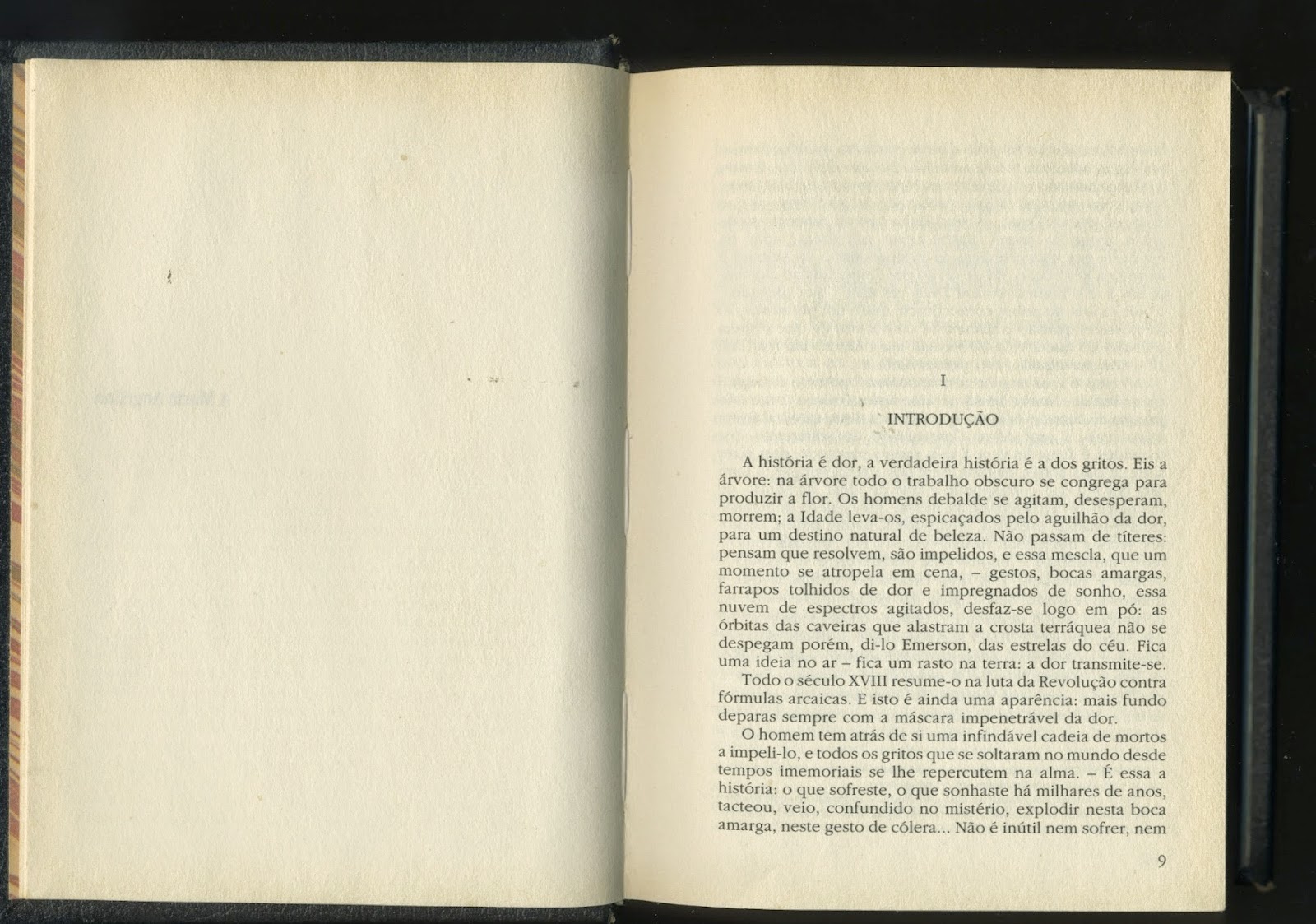
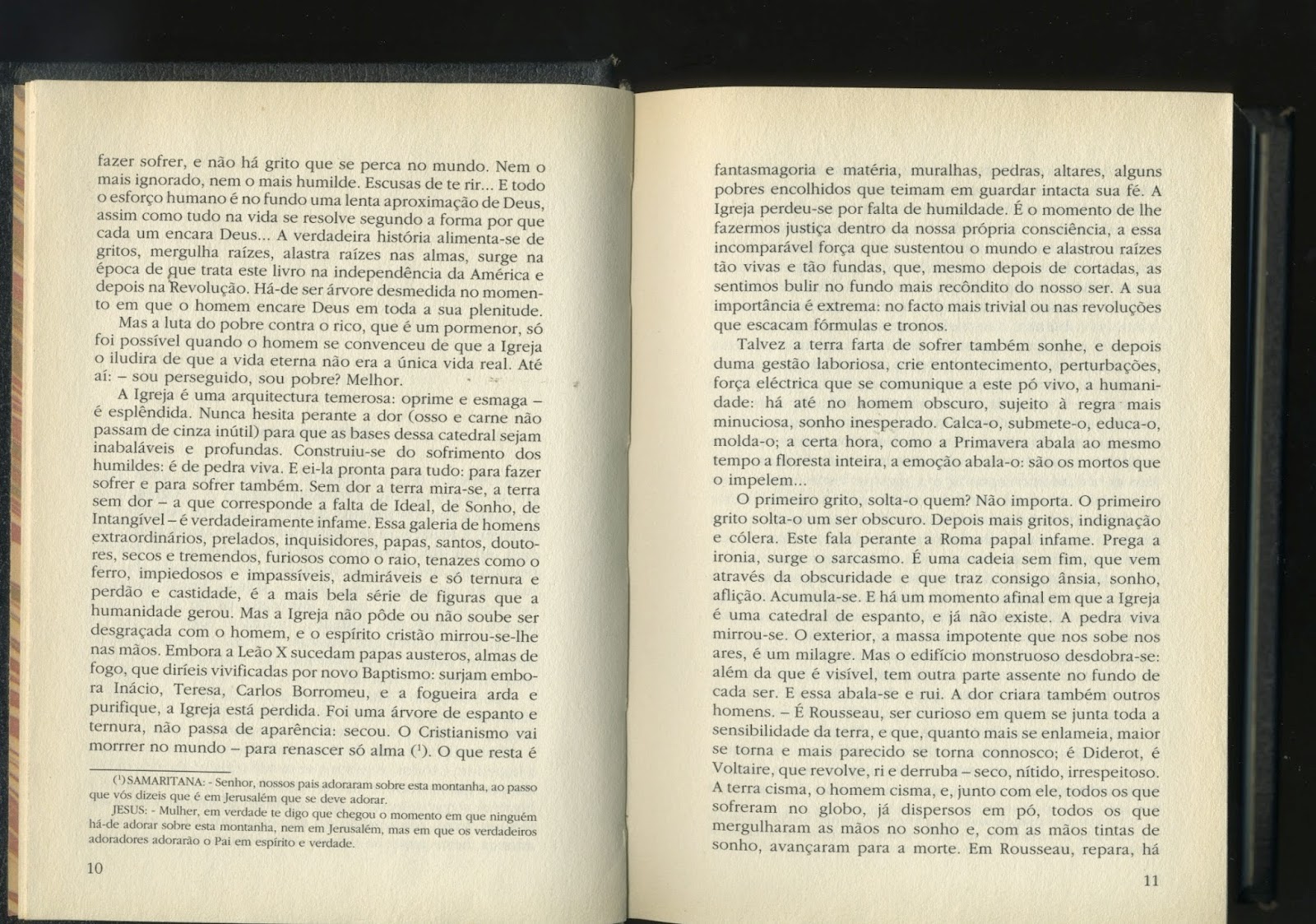
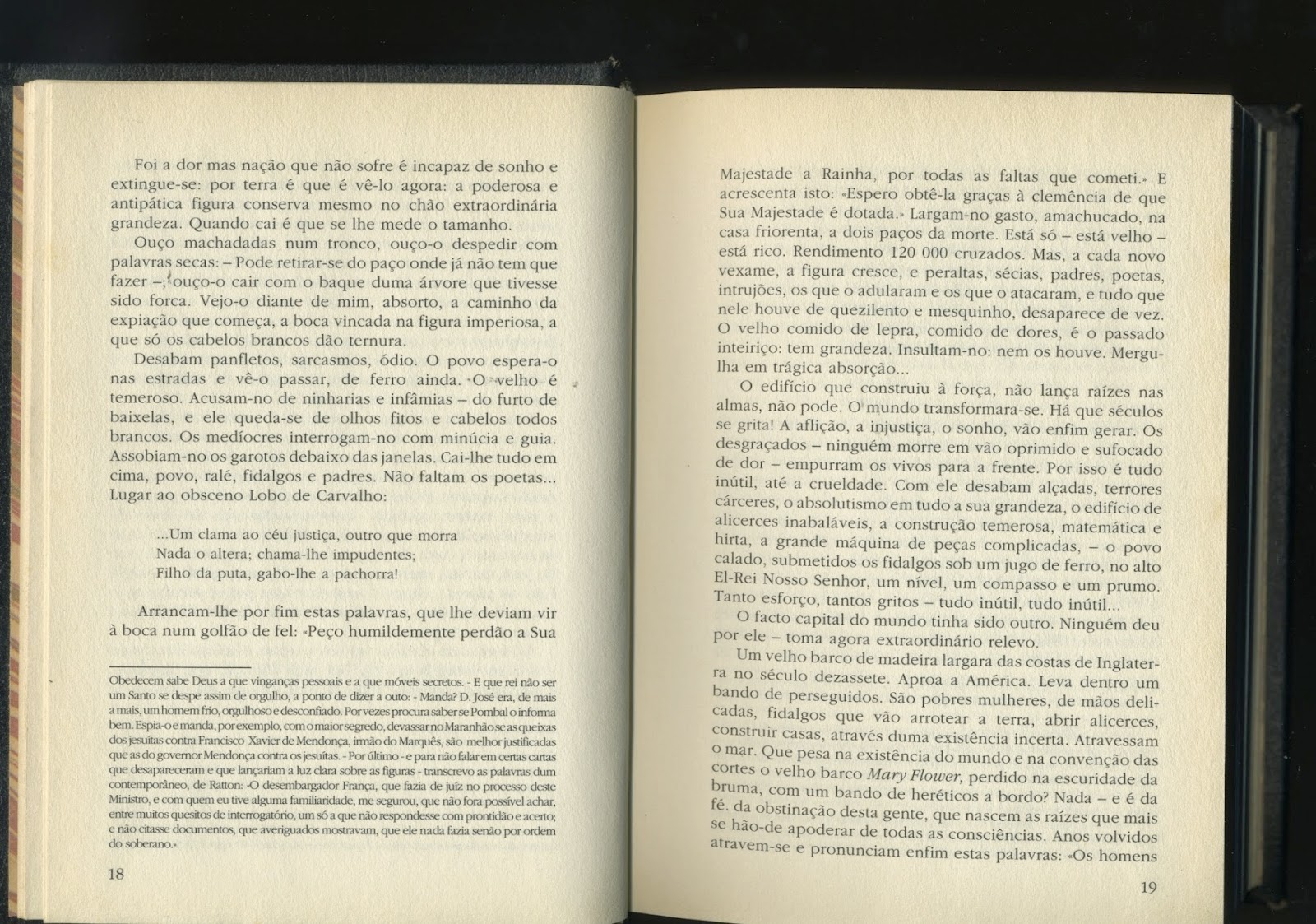
a história é dor. Introdução a "El-Rei Junot" de Raul Brandão


2.5.14

a ver... doc do canal história sobre o cinema da CNT


e mais...